Stone Mountain Locksmith Pros Service Team
Local locksmith team
Jul 6, 2026 10 min read
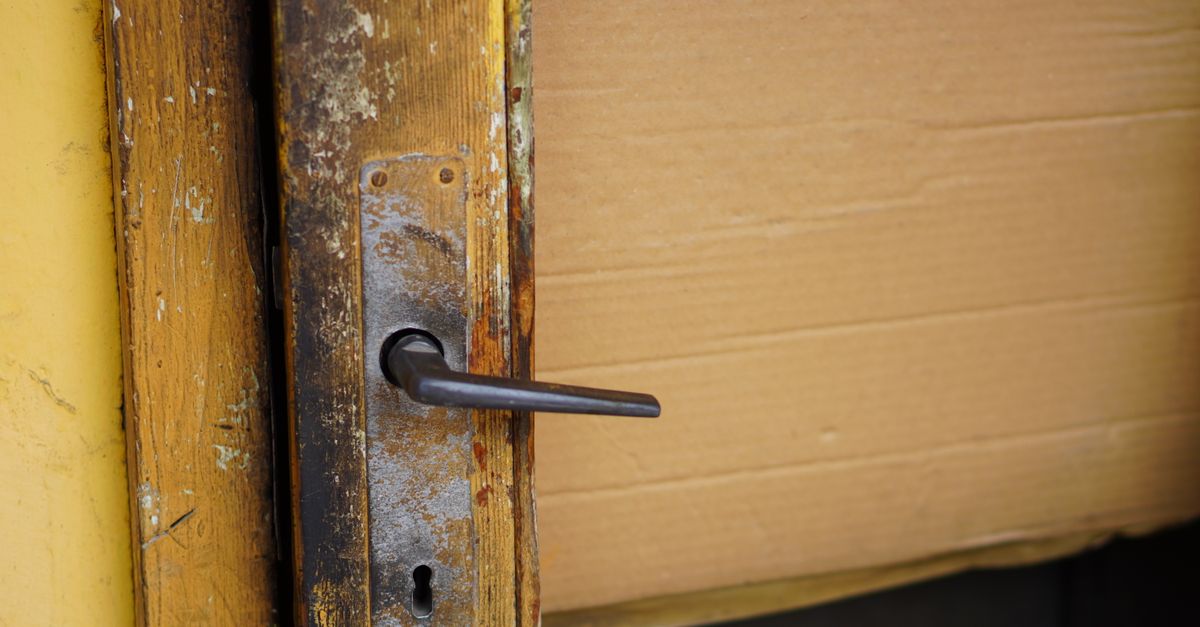
If you live in an older home near Stone Mountain Park or along one of the historic streets off Memorial Drive, there's a good chance your front door hides a secret inside the wood — a mortise lock, a heavy-duty locking mechanism that's been keeping homes secure for well over a century. Most homeowners have no idea what type of lock is on their door until something goes wrong: the key turns but the bolt won't throw, the handle spins freely, or the door simply won't latch. Knowing what you're working with before that moment arrives can save you time, stress, and a lot of confusion when you call for help.
This guide is written specifically for Stone Mountain homeowners who want to understand the difference between a mortise lock and a cylinder lock, spot the warning signs of a failing mechanism, and make a smart decision about repair versus replacement. Whether your home was built in the 1940s near the Village or you've recently moved into a craftsman bungalow off Rockbridge Road, this breakdown will give you a clear picture of what's on your door — and what to do about it.
## What Is a Mortise Lock — and How Do You Spot One?
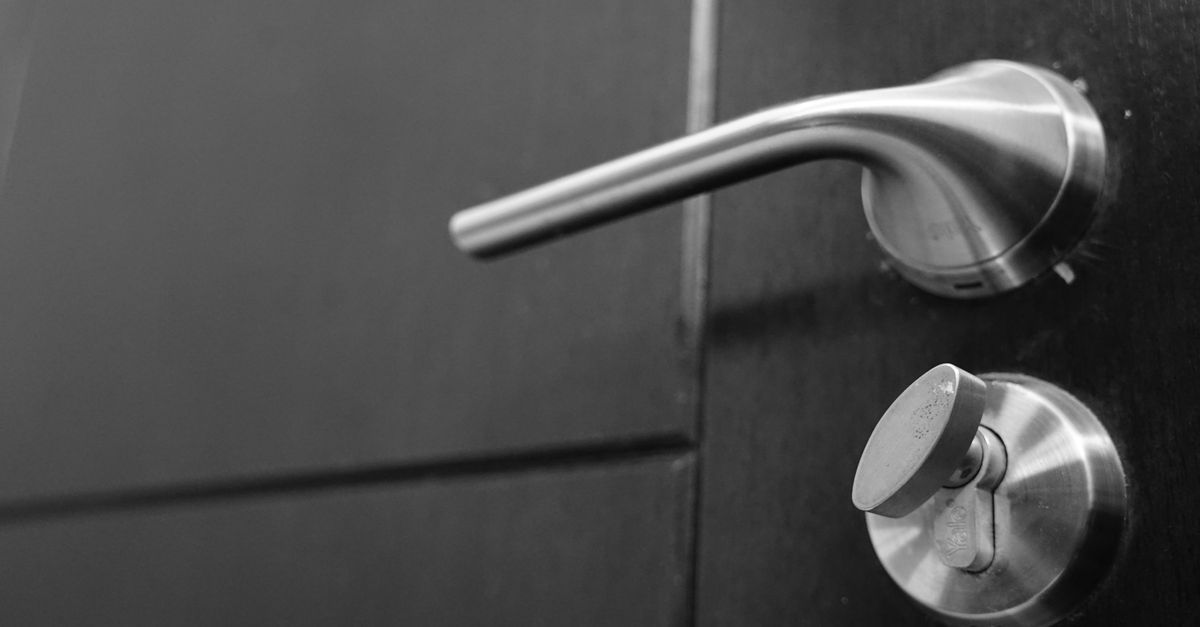
A mortise lock is a complete locking unit — bolt, latch, handles, and internal mechanism — that sits inside a deep rectangular pocket (called the mortise) cut directly into the edge of the door. Unlike a standard cylindrical lockset that simply bores through the face of the door, a mortise lock set requires significant woodworking to install, which is why older homes were built with them and why you don't see them standard on new residential construction as often today. From the outside, the giveaway is the large, flat faceplate running vertically along the door edge, usually with multiple moving parts: a deadbolt, a latch, and sometimes a separate nightlatch, all operated from one integrated body.
Inside, the mortise lock cylinder — the barrel you insert your key into — is threaded into the main lock body and can be removed and replaced independently without disturbing the entire mechanism. This is actually one of the platform's greatest strengths. High-quality manufacturers like Baldwin and Corbin Russwin built mortise lock systems specifically for longevity; a Corbin Russwin mortise lock installed in a 1960s Stone Mountain home may still be fully functional today, needing only a cylinder swap or a bit of lubrication rather than a full replacement. The hardware is robust, but it does demand periodic attention — and when it fails, it fails in ways that a standard door knob lock simply doesn't.
## Mortise Lock vs. Cylinder Lock: Key Differences Every Homeowner Should Know
The most common lock on doors built or renovated after the 1970s is the cylindrical lockset — think the familiar Schlage or Kwikset knob-and-deadbolt combo you see at any hardware store. These are inserted into two round holes bored through the door face and are straightforward to replace as a DIY project. A rim cylinder lock is another variation you'll encounter, especially on older exterior doors and security gates: the cylinder mounts on the surface of the door with a flat rim can on the inside. All three — mortise, cylindrical, and rim cylinder — operate on the same fundamental key-and-tumbler principle, but they differ dramatically in installation depth, repairability, and the skill required to service them.
For a mortise lock set on an exterior door, the integrated body handles far more mechanical load than a cylindrical lock does. That's a genuine advantage for security, especially on heavy wooden doors common in Stone Mountain's older neighborhoods. The trade-off is complexity. When a cylindrical lock fails, most homeowners can swap it themselves in twenty minutes. When a mortise lock fails — a broken cam, a seized bolt, a stripped spindle — you need someone who knows the internals of that specific unit. Getting the wrong replacement body or forcing an ill-fitting cylinder can damage the door stile permanently. This is exactly the kind of job where calling a trained locksmith first saves you a far more expensive fix later.
## Warning Signs Your Mortise Lock Needs Repair or Replacement
Stone Mountain's climate — humid summers, occasional freezing nights — is harder on door hardware than most homeowners realize. Moisture works into the mortise pocket over years and begins to corrode the internal springs and cams. Here are the signs that your mortise lock is telling you it's time for service: the handle feels loose or 'floppy' even though the set screw appears tight; the key turns but requires extra force and doesn't spring back smoothly; the latch bolt doesn't retract fully, causing the door to stick; the deadbolt throws but doesn't fully extend into the strike plate; or the door handle turns on one side but not the other. Any one of these symptoms on its own is a repair call. Multiple symptoms together — especially on an exterior door — mean your lock's integrity is compromised, and you should get it looked at immediately rather than waiting for a full failure or a lockout.
It's also worth noting that mortise lock cylinders wear out independently of the main body. If your key is harder to turn than it used to be, has started requiring a 'jiggle,' or shows visible wear on the key cuts, the cylinder alone may need replacing — a relatively straightforward job for an experienced locksmith that restores full function without touching the rest of the mechanism. On the other hand, if the lock body itself is cracked, if the faceplate is pulling away from the door edge, or if the door has been forced at any point, a full mortise lock set replacement is likely the right call. Our team at Stone Mountain Locksmith Pros can assess the condition on-site and walk you through the options before any work begins. Call (770) 615-2479 any time — day or night — and we'll get someone to your door.
## When to Repair, When to Replace, and How We Help
The repair-vs-replace decision on a mortise lock comes down to three factors: the age and condition of the existing body, the availability of matching parts, and the security rating you want going forward. Antique Baldwin mortise lock hardware, for example, is often worth preserving because the quality of the casting is genuinely superior to many modern equivalents — and Baldwin still manufactures replacement cylinders and trim that fit legacy bodies. A Corbin Russwin mortise lock from a mid-century Stone Mountain home may similarly accept a modern high-security cylinder upgrade, effectively improving your security without touching the original mechanism. Our locksmiths carry a range of cylinders and can source mortise lock bodies for most door preparations, including non-standard door thicknesses common in pre-war construction.
When a full replacement is the right move, we measure the existing mortise pocket dimensions — backset, case height, and hub distance — before recommending a replacement body. Forcing a mismatched lock body into an old pocket is one of the most common ways a well-meaning hardware store run turns into an expensive door repair. We confirm all measurements on-site and provide you with a clear, up-front price before we touch anything. That price accounts for the specific lock model needed, any parts required, the time of day, and travel to your location — so there are no surprises on the invoice. Our services extend well beyond residential front doors: we handle commercial locksmith work for Stone Mountain businesses, Baldwin mortise lock set installations on exterior doors, re-keying, master key systems, emergency locksmith response for lockouts, and much more.
## Our Full Range of Locksmith Services in the Stone Mountain Area
Stone Mountain Locksmith Pros is a 24/7 mobile locksmith serving homeowners, renters, and businesses throughout the Stone Mountain area, from the neighborhoods around the park's east gate to communities along Highway 78. Here is a full picture of what our team handles: residential lockout service, commercial lockout service, automotive lockout service, mortise lock repair, mortise lock set installation, mortise lock cylinder replacement, rim cylinder lock installation and replacement, cylindrical lockset installation, deadbolt installation and upgrade, door knob lock repair and replacement, high-security lock upgrades, re-keying existing locks, master key system design and installation, key duplication, broken key extraction, lock rekeying after a move or tenant change, emergency locksmith response after a break-in, door frame and strike plate reinforcement, keypad and smart lock installation, garage door lock service, mailbox lock replacement, padlock cutting and replacement, filing cabinet and desk lock service, safe opening and combination changes, and commercial locksmith services including access control consultation. Whether it's a routine re-key or a 3 a.m. lockout on a cold January night, we answer the phone and dispatch a trained technician to you — no call centers, no runaround.
Frequently asked questions
What proof do I need for a locksmith to open my home?+
Any reputable locksmith will ask you to verify that you have the right to access the property before beginning work. In practice, this means showing a government-issued photo ID with your name, and ideally a document that ties you to the address — a utility bill, a lease agreement, a mortgage statement, or vehicle registration showing the same address. If you're a renter locked out, your landlord's contact information may also be requested. This is a standard ownership verification step that protects both you and the locksmith, and our team at Stone Mountain Locksmith Pros follows it on every call. If you're in a lockout situation, gather whatever ID you have on you — even a partial match is a starting point for a conversation.
Do you have to have a license to be a locksmith in Georgia?+
Georgia does not currently require a state-issued locksmith license the way some other states do, but that doesn't mean credentials don't matter. What you should look for is a locksmith who is insured, carries verifiable business documentation, operates a real local presence, and is willing to show ID and a business card on arrival. At Stone Mountain Locksmith Pros, our technicians are trained, experienced professionals who follow industry-standard practices — including ownership verification before every job. When someone shows up at your door claiming to be a locksmith, it is completely reasonable to ask for their name, company name, and proof of insurance before allowing them to begin work.
How long does it usually take for a locksmith to come to Stone Mountain?+
Response time depends on where in the Stone Mountain area you're located, current traffic conditions on roads like Memorial Drive or Highway 78, and how many calls we're handling at that moment. In most cases, our mobile technicians reach addresses within the Stone Mountain area in under an hour, and often significantly faster during off-peak hours. When you call (770) 615-2479, the dispatcher will give you an honest estimated arrival window based on real-time conditions — not a vague promise. If you're calling during a high-demand window like a winter storm or a holiday weekend, we'll tell you exactly what to expect so you can plan accordingly.
What is a locksmith call-out fee, and how does pricing work?+
A call-out fee — sometimes called a service fee or dispatch fee — is a base charge that covers the cost of sending a technician to your location. Beyond that base, the total cost of any locksmith job is shaped by several factors: the type of lock involved (a mortise lock set on an exterior door involves more labor and potentially more specialized parts than a standard cylindrical lock), the time of day (late-night and weekend calls carry different rates than business-hours calls), the travel distance to your location, and whether any parts need to be sourced or carried on the truck. At Stone Mountain Locksmith Pros, we provide a clear, confirmed price before any work begins — so you know exactly what you're agreeing to. There are no hidden charges added after the fact.