Stone Mountain Locksmith Pros Service Team
Local locksmith team
Jun 22, 2026 12 min read
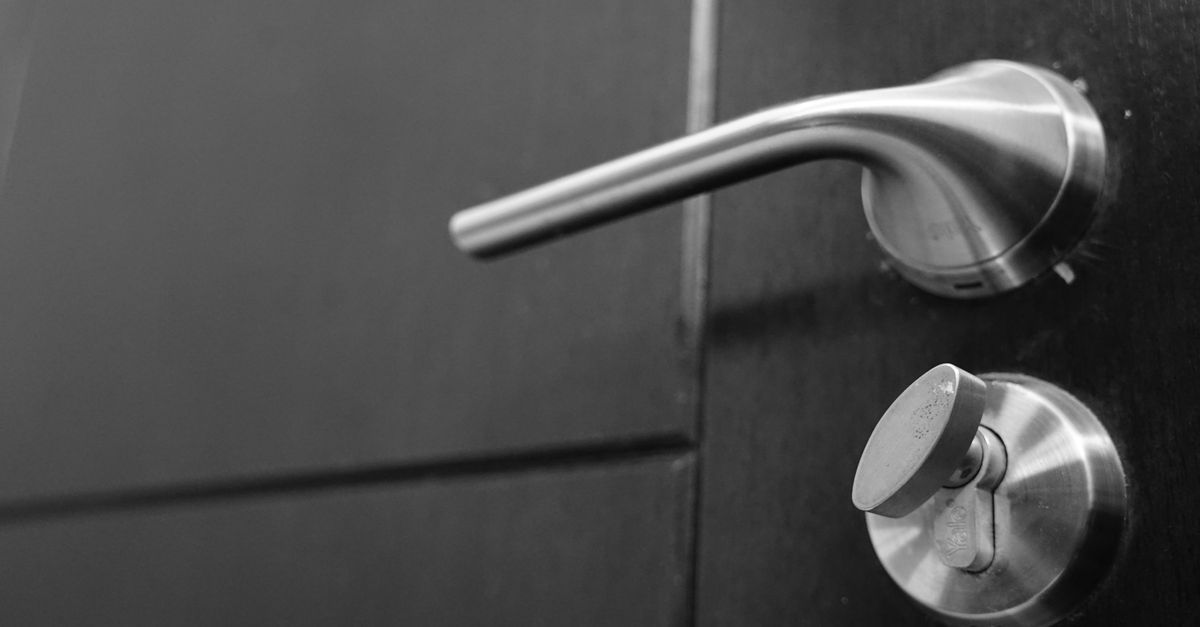
Your front door is probably the last thing you think about until it stops working — and by then, you're already locked out on the porch at 11 PM. Mortise locks are some of the most robust locking mechanisms made, common on older Stone Mountain homes, historic properties along Main Street, and commercial storefronts throughout DeKalb County. But even the best hardware wears out. The good news is that a failing mortise lock almost always gives you clear warning signs before it quits completely, and catching those signs early is the difference between a scheduled service call and a full-blown lockout emergency.
This guide walks you through five specific warning signs that your mortise lock is approaching the end of its reliable service life. If you recognize any of them on your door, do not wait — a small repair today prevents a much bigger headache tomorrow. And if things progress to the point where you need help right now, our team at Stone Mountain Locksmith Pros is available around the clock at (770) 615-2479.
## What Is a Mortise Lock and Why Does It Wear Out?
A mortise lock is a complete locking assembly that fits inside a pocket — called a mortise — cut directly into the door itself. Unlike a standard cylindrical lockset that simply bores through the door face, a mortise lock set houses the latch, deadbolt, and sometimes a handle mechanism all within one rectangular case. Because the entire assembly lives inside the door, it handles stress differently: every time you push, pull, slam, or force that door, the internal components absorb the impact. High-quality brands like Baldwin and Corbin Russwin build their mortise lock hardware to last decades, but internal springs, cams, and levers still fatigue over time — especially on doors that get heavy daily use or on exterior doors that are exposed to Georgia's humid summers and the occasional hard freeze.
Understanding what you are dealing with matters because mortise lock repairs and replacements require removing the face plate, withdrawing the case from inside the door, and reassembling everything with precise alignment. That is not a weekend DIY project for most homeowners — a misaligned case means a latch that does not seat properly in the strike plate, which can leave your door technically closed but not actually locked. A skilled locksmith who works with mortise hardware regularly is the right call when something goes wrong.
## Sign 1 — The Bolt Sticks, Drags, or Moves in Jerky Increments
A healthy mortise lock extends and retracts its bolt smoothly. When you start feeling resistance, grinding, or a stutter mid-travel, that is a sign that internal components — springs, cams, or the bolt housing itself — are wearing unevenly or that debris and dried lubricant have built up inside the case. In Georgia's climate, seasonal humidity causes wood doors to swell slightly, which shifts the door in the frame and puts lateral pressure on the bolt as it tries to travel. Over time, that added friction accelerates wear on the internal mechanism.
Do not just force the bolt through the resistance. Every hard turn of the key or thumb-turn under load bends the cam or breaks a spring faster. Instead, check whether the door has shifted in the frame by looking at the gap between door and frame around the strike plate — if the bolt is visibly misaligned with the strike plate opening, the door itself may need adjustment. If the frame gap looks fine and the resistance is still there, the case needs to come out and be inspected. This is one of the most common service calls we handle for Stone Mountain homeowners, and addressing it early usually means a simple repair or lubrication rather than a full replacement.
## Sign 2 — A Loose, Wobbly Handle or Escutcheon Plate Is Telling You Something
When the handle of a mortise lock set starts to wobble — up-and-down play, side-to-side rocking, or a handle that spins without engaging the latch — the internal spindle or hub is failing. On a mortise lock, the handle spindle passes through the case and engages a hub that drives the latch. When that hub wears, strips, or the set screws holding the handle to the spindle back out, you lose reliable latch operation. At first it just feels sloppy; eventually the handle stops retracting the latch entirely, and you are stuck. Similarly, if the escutcheon plate — the decorative trim around the keyhole and handle — is pulling away from the door face, the fasteners have worked loose from wood that may have dried, cracked, or shifted.
Tighten exposed set screws as a short-term measure, but understand that if the hub itself is worn, tightening external fasteners will not fix the underlying problem. A wobbling handle on an exterior door is also a security concern: an attacker can exploit the play in the mechanism. If you have a Baldwin mortise lock on a heritage or custom home and the handle has started to rock, get it inspected — Baldwin cases are repairable, and the hardware is often worth servicing rather than replacing. Call us at (770) 615-2479 and we can assess on-site whether a repair or a swap makes more sense for your specific door and budget.
## Sign 3 — The Key Is Hard to Turn, Stiff, or Getting Stuck in the Cylinder
Your mortise lock cylinder — the plug that the key slides into and rotates — takes the most punishment of any single component. Pins wear down, springs weaken, and the keyway accumulates debris from years of use. In a Corbin Russwin mortise lock, for example, the cylinder is typically a separate removable unit that can be rekeyed or swapped without pulling the entire case, which is an advantage. But when the cylinder starts to feel stiff, requires a jiggle to align, or the key occasionally gets stuck partway through the rotation, those are signs that the internal pin stack alignment is off or that the cylinder itself has worn to the point where it no longer rotates cleanly within the case.
Never force a stiff key — broken keys inside a mortise lock cylinder require a more involved extraction process than the same situation in a standard lock. If you notice your key requires noticeably more force than it did six months ago, schedule a cylinder inspection. A rekeying or cylinder replacement is far less disruptive and costly than an emergency extraction call at midnight. Also worth noting: if you have recently upgraded to a smart mortise lock — which combines a digital interface with the same internal case mechanics — the cylinder or electronic actuator can still wear and should be inspected on the same schedule as conventional hardware.
## Sign 4 — Visible Rust, Corrosion, or a Misaligned Strike Plate
Stone Mountain's summer humidity and afternoon thunderstorms are hard on exterior door hardware. If you pull back the face plate of your mortise lock set on an exterior door and see rust streaking down from the bolt housing, or if the strike plate on the frame shows heavy corrosion or has physically shifted out of alignment, the whole assembly is under stress. A corroded bolt does not travel cleanly; it drags, it binds at the strike plate, and eventually it seizes in the open or closed position. A misaligned strike plate — often identifiable by scuff marks above or below the bolt opening — tells you the door or frame has moved, and the lock is compensating with brute force every time it closes.
For exterior mortise lock set installations on Stone Mountain homes, especially older properties in neighborhoods like the Village or along the areas surrounding Stone Mountain Park, this kind of weather-related wear is common. The fix may be as simple as realigning the strike plate and treating the bolt with appropriate dry lubricant, or as involved as replacing the entire case and refinishing the door edge. Either way, a professional inspection gives you a clear answer. Do not paint over rust or pack the case with general-purpose grease — both make the eventual repair more difficult and can void the function of precision tolerances inside the lock.
## Sign 5 — The Door Does Not Latch or Stay Closed Without Lifting the Handle
Here is a tell that homeowners often ignore for months because it feels like a door problem rather than a lock problem: you have to lift the handle slightly to get the door to latch, or the door pops open on its own if you do not engage the deadbolt. This usually means the latch spring inside the mortise case has weakened to the point where it cannot fully return the latch to the extended position under normal door weight and air pressure. In some cases it means the latch face has worn to a rounded shape and no longer catches the strike plate lip reliably.
This is not just annoying — it is a real security gap. A door that does not latch properly can be pushed open without any key at all. If you are relying on the deadbolt alone because the latch has effectively stopped working, you are one forgotten lock engagement away from an unsecured home. Latch spring replacement in a mortise lock is a repair a skilled locksmith can often complete in a single visit without replacing the entire case. Do not put it off. If this is happening on a commercial property's mortise lock — a retail space, office suite, or rental property — the liability exposure makes it even more urgent to address.
## When to Call an Emergency Locksmith vs. Scheduling a Visit
If you are currently locked out, or if the lock has failed completely and the door cannot be secured, that is an emergency and you should call immediately. Stone Mountain Locksmith Pros operates 24/7, so whether it is 3 AM on a Tuesday or a Sunday afternoon before a holiday, someone answers at (770) 615-2479. For homeowners who recognize one or more of the five warning signs above but still have a functional lock, a scheduled service visit is the smarter move — you get more time with the technician, potentially better parts availability, and a less stressful experience than an emergency call requires.
When you call, we will ask about your door type, lock brand, and the specific symptoms you are experiencing. Factors like the lock model, the parts needed, your location within the Stone Mountain area, and the time of day all influence the final price of the job. We always confirm an exact price up front before any work begins — no surprises on the invoice. Our team works with all major mortise lock brands including Baldwin, Corbin Russwin, and others, as well as smart mortise lock systems, so we can give you an honest assessment of whether your current hardware is worth repairing or whether a new mortise lock set exterior door installation makes more long-term sense.
Frequently asked questions
What proof do I need for a locksmith to work on my door?+
Any reputable locksmith should ask you to verify that you are the owner or authorized occupant of the property before beginning work. Be prepared to show a government-issued photo ID and, ideally, something that connects you to the address — a piece of mail, a lease agreement, a utility bill, or a property tax record. This is not us being difficult; it is a standard professional practice that protects you as much as it protects us. If a locksmith ever shows up and does not ask for any verification at all before opening a lock, that should concern you. At Stone Mountain Locksmith Pros, ownership verification is a routine part of every service call.
Do you have to have a license to be a locksmith in Georgia?+
Georgia does not currently require a state-issued locksmith license the way some other states do. However, that does not mean all providers are equal — it means the responsibility for vetting falls on you as the customer. Look for a locksmith who is insured, who has verifiable local presence and reviews, who asks for ownership proof before working, and who gives you a written up-front price before touching your lock. Our team at Stone Mountain Locksmith Pros is insured and experienced, and we stand behind our work on every job.
How long does it usually take for a locksmith to come?+
Response time depends on a few real-world variables: where you are located within the Stone Mountain area, traffic conditions at the time of day, and whether our nearest technician is finishing another call. For most locations in and around Stone Mountain — including areas near Stone Mountain Park, the Village, and surrounding DeKalb County neighborhoods — we aim to arrive promptly. When you call (770) 615-2479, we can give you a realistic estimated arrival time based on where our team actually is at that moment, not a marketing promise. Emergency calls are always prioritized.
What is a locksmith call-out fee, and how does pricing work for mortise lock service?+
A call-out fee — sometimes called a service fee or dispatch fee — is a base charge that covers the cost of getting a technician to your location. Beyond that, the total cost of a mortise lock repair or replacement depends on several factors: the specific lock model and brand (a Baldwin or Corbin Russwin mortise lock, for example, involves different parts than a basic entry-level set), whether the job requires replacement parts or just adjustment and lubrication, the time of day (after-hours and overnight calls involve different logistics), and your location relative to our dispatch point. We do not quote a price over the phone without knowing those details, but we always confirm the full cost with you before we begin any work — you are never handed a surprise invoice.