Door Knob Lock and Deadbolt Installation: What the Job Actually Involves
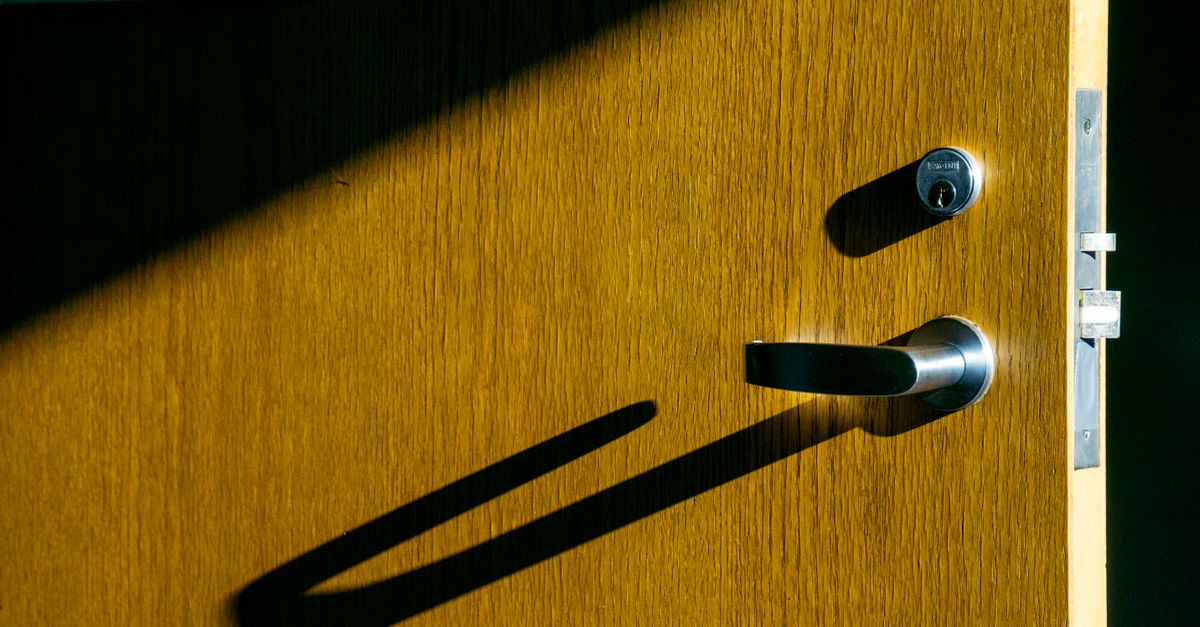
A door knob lock replacement sounds simple until you are standing in the hardware aisle staring at backset measurements, spindle sizes, and strike plate options. Every residential door has specific dimensions — the bore hole diameter, the backset distance from the door edge to the center of the hole, and the latch faceplate size all have to match the new hardware precisely. Get any one of those wrong and the door either binds, latches loosely, or leaves a visible gap around the plate. Our technicians measure first, source the right hardware for your door, and then install it cleanly without gouging the door face or splitting the jamb around the strike plate.
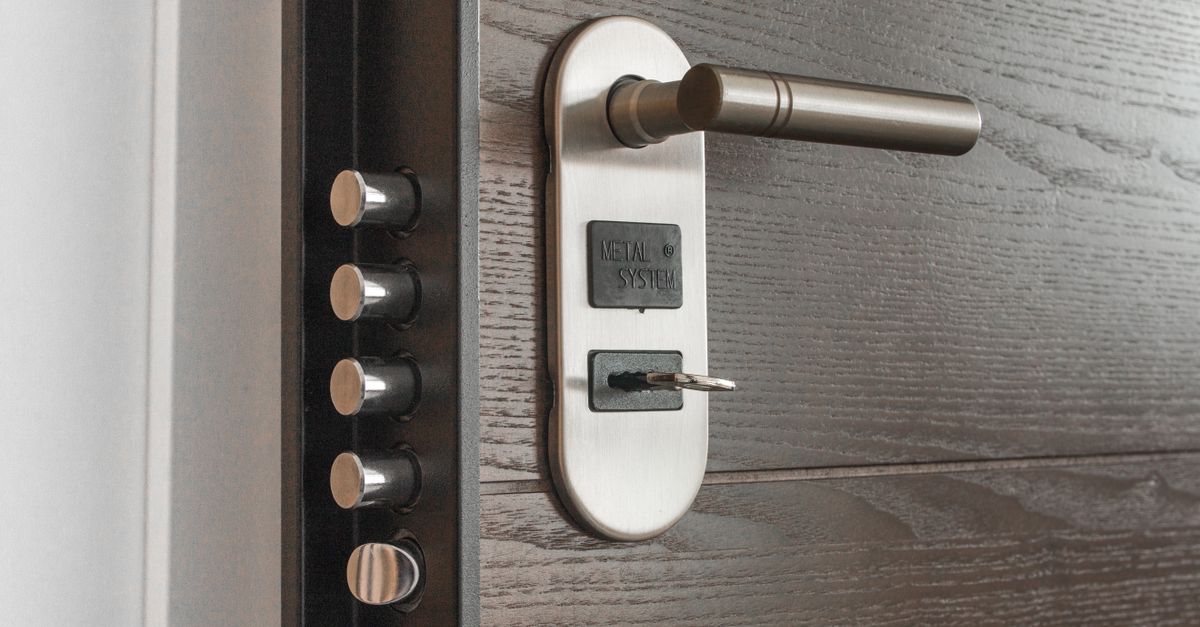
Deadbolts add a separate layer of protection that a spring-latch door knob with lock simply cannot provide on its own. A single-cylinder deadbolt is the most common residential upgrade — keyed on the outside, thumb-turn on the inside. We also install double-cylinder deadbolts (keyed on both sides) for doors with glass panels where a thumb-turn could be reached through broken glass, though we always walk homeowners through the egress trade-offs before proceeding. For older Stone Mountain bungalows and craftsman-style homes with thicker door stiles, we frequently recommend a mortise lock body, which integrates the latch, deadbolt, and sometimes a night-latch function into a single recessed unit machined directly into the door edge — far more robust than a bored cylindrical lock in heavy-use applications.