What Is a Mortise Lock and Why Does It Need Professional Attention?
A mortise lock is a multi-component assembly — latch bolt, deadbolt, cam, spindle, strike plate, and one or more cylinders — all housed inside a steel or brass case that sits inside a deep rectangular cavity milled into the door stile. That internal complexity is precisely why mortise locks outperform standard door knob lock mechanisms for security and durability, but it is also why a single worn part can compromise the entire assembly in ways that are not obvious from the outside. A door that feels stiff, a latch that fails to retract fully, a cylinder that spins without engaging the cam, or a deadbolt that throws only halfway are all symptoms of internal wear or misalignment rather than cosmetic issues.
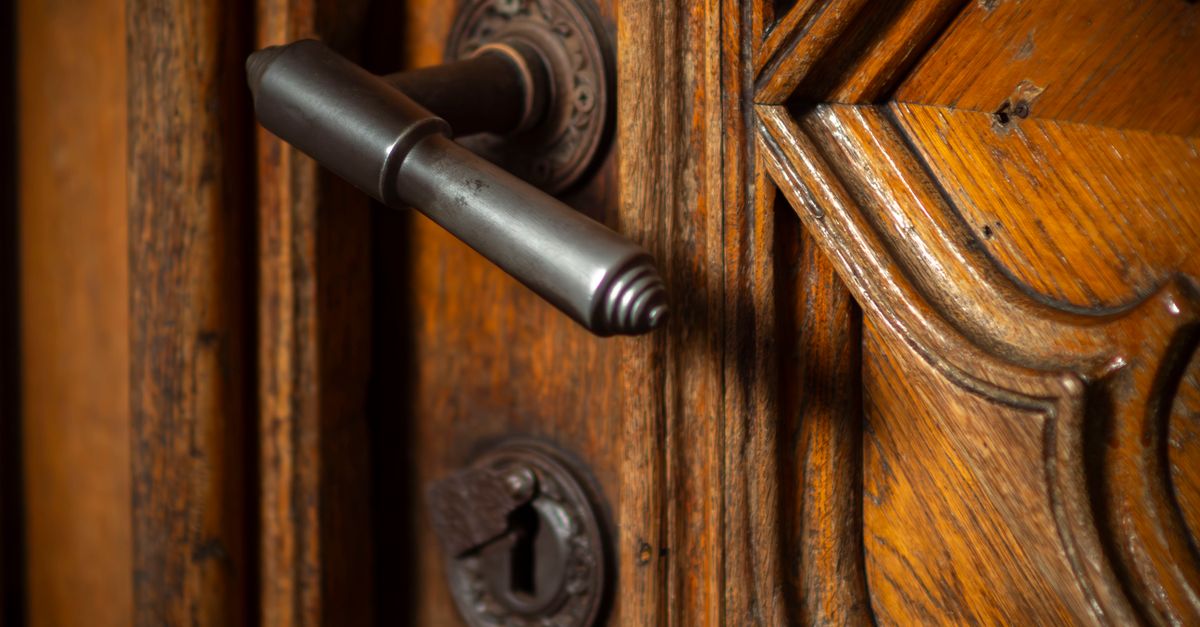
Because the case is recessed, any repair or replacement requires the lock body to be fully removed from the mortise pocket. This is painstaking work on older wood doors where the pocket was hand-chiseled to tight tolerances decades ago. Forcing parts or over-tightening fasteners can split a door stile that is already under seasonal stress — a common problem on doors around Stone Mountain where summer humidity causes wood to swell noticeably. Our technicians are trained specifically in mortise lock mechanics and carry calibrated tools sized for both antique slim-case bodies and modern heavy-duty commercial cases, so the door itself stays intact throughout the process.