What Makes Chevrolet Key Replacement More Involved Than You Might Expect
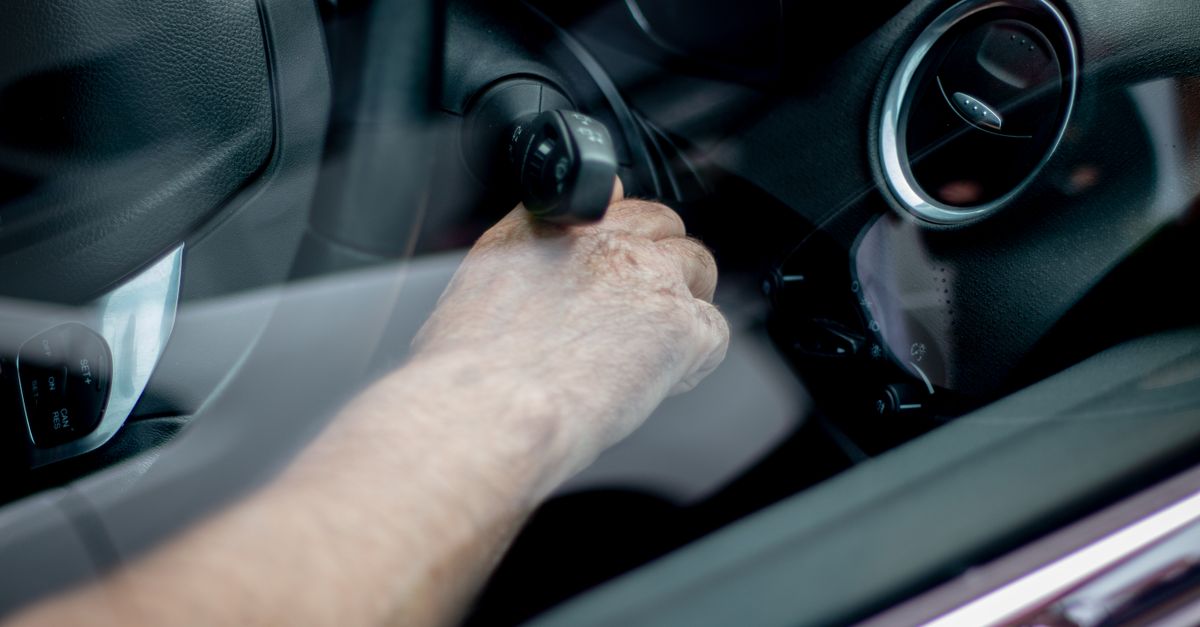
Modern Chevrolet vehicles use layered security technology that goes far beyond a simple metal key cut to a code. Even entry-level trims produced in the last two decades typically include a transponder chip embedded in the key head. That chip must be programmed to match your vehicle's immobilizer system — if it is not, the engine will crank but will not start. Higher trims and newer models like the Blazer EV add proximity smart keys and push-button start systems, which require a different style of two-way radio-frequency programming altogether. Understanding which system is in your specific year, make, and trim is the first step our technicians take before cutting a single blade.
Chevrolet has used several generations of transponder and fob technology across its lineup — from older fixed-code chips in early 2000s models, to rolling-code transponders, to the current suite of Passive Entry Passive Start (PEPS) smart keys. Each generation requires specific equipment and key blanks. Because we invest in up-to-date programming hardware and keep a broad inventory of Chevrolet-compatible blanks in our mobile service vehicles, we can match the right solution to your specific vehicle on the spot rather than ordering parts and scheduling a follow-up visit.